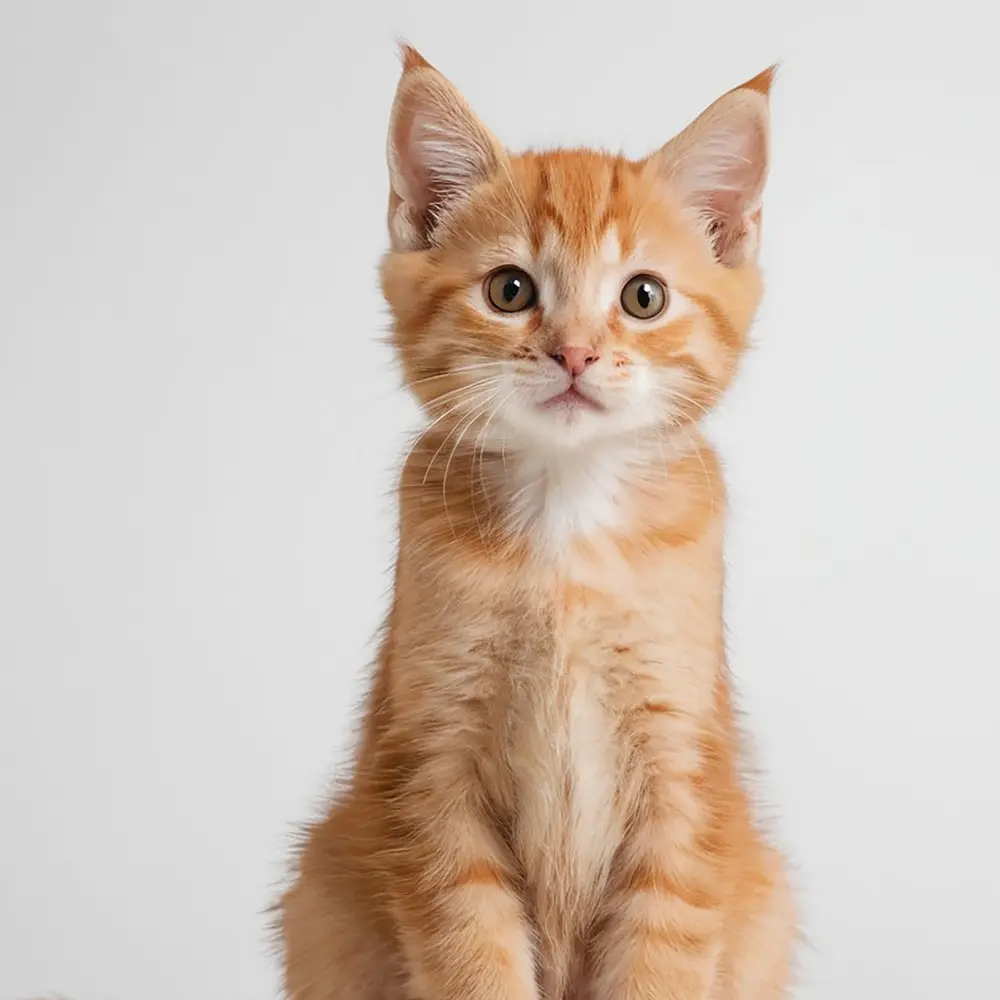
Cats are "obligate carnivores" by nature. This means their bodies can only get the essential nutrients they need from animal-based proteins. However, we sometimes unknowingly make big mistakes in the diets of our friends we keep at home.
1. Feeding Only Dry Food
While dry foods are practical and balanced, it should not be forgotten that cats in nature meet most of their water needs from their prey. Cats that eat only dry food may encounter kidney and urinary tract problems when they do not consume enough water. Quality wet food support at least several times a week is critical for fluid intake.
2. Giving Milk: A Common Misconception
Contrary to cartoons, most adult cats are lactose intolerant. Cow's milk can lead to severe diarrhea, gas pains, and digestive disorders in cats. The healthiest drink for your cat is always fresh and clean water.
Expert Note:
Try to always give your cat's food at the same times. Routine makes cats feel safe and helps reduce the risk of obesity.
3. Sharing Home Meals
Foods that are delicious for us, such as onions, garlic, chocolate, or excessively salty/spicy foods, can be toxic for cats. Onions and garlic can cause anemia (lack of blood) by damaging cats' red blood cells.
4. Excessive Feeding (Free Feeding)
If the food stays in the bowl all day long, the cat will eat continuously because of boredom or just because it tastes good. This situation invites obesity, which is the biggest health problem for today's house cats. It is healthier to stick to the weights on the package and switch to a meal system.